This article adapts a 2016 CS-AUDIO guide to the equipment used for theatre and auditorium sound reinforcement. Good results depend on room acoustics as well as selecting and matching the electrical audio system to the venue, audience and intended use.
Mixing consoles
The main console is the control centre for a sound system. It balances and routes microphone and playback signals to the stage, audience areas and other zones. The source gives a large-venue example of 16–48 input channels, 4–8 group buses, 4–8 auxiliary buses and up to 16 matrix outputs; the right configuration depends on the project. An auxiliary console can add channels, support monitoring or recording, and provide a smaller setup near the stage.
Effects and signal processing
Effects and processors shape the sound before amplification. The original guide lists reverb and other effects, graphic equalizers, compressors or limiters, noise gates, delay units and DSP processors. These tools can control frequency balance and dynamics, manage noise, align loudspeaker zones and store settings for different events.
Playback and recording
Playback sources feed music and program material into the console. The 2016 source lists cassette, MiniDisc, CD and hard-disk recording or playback equipment. For a current system, choose sources and recording workflows to suit the venue and the media that operators actually use.
Routing, monitoring and communication
Stage boxes and patch panels route microphone, playback and processor signals. Monitor loudspeakers let operators check the sound in the room. Intercom or paging equipment supports communication between the control room, stage and backstage areas. The guide also describes terminal panels and monitoring equipment for checking amplifier and loudspeaker operation.
Power amplification and loudspeaker support
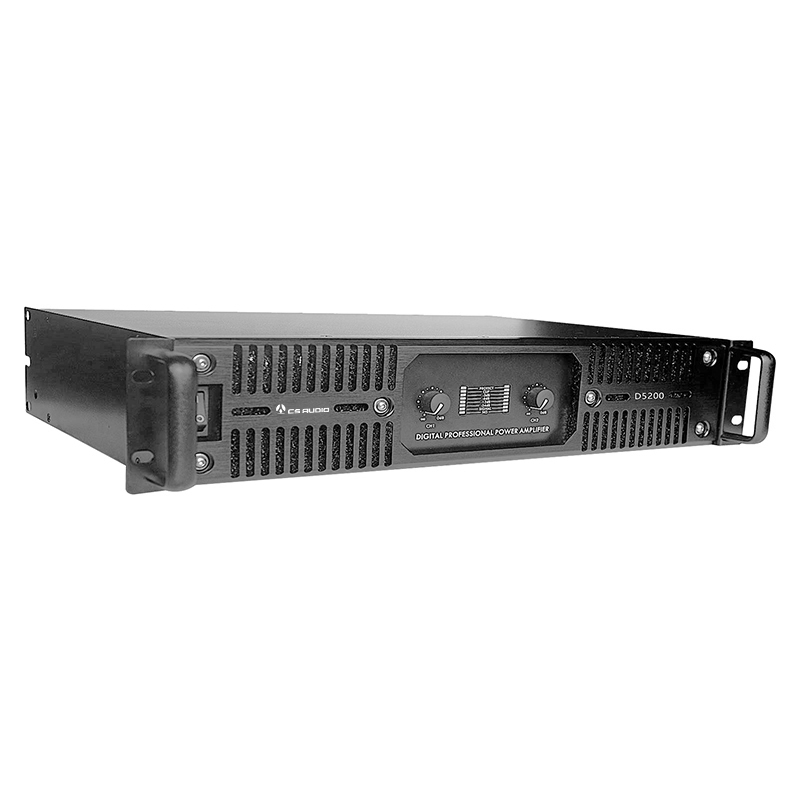
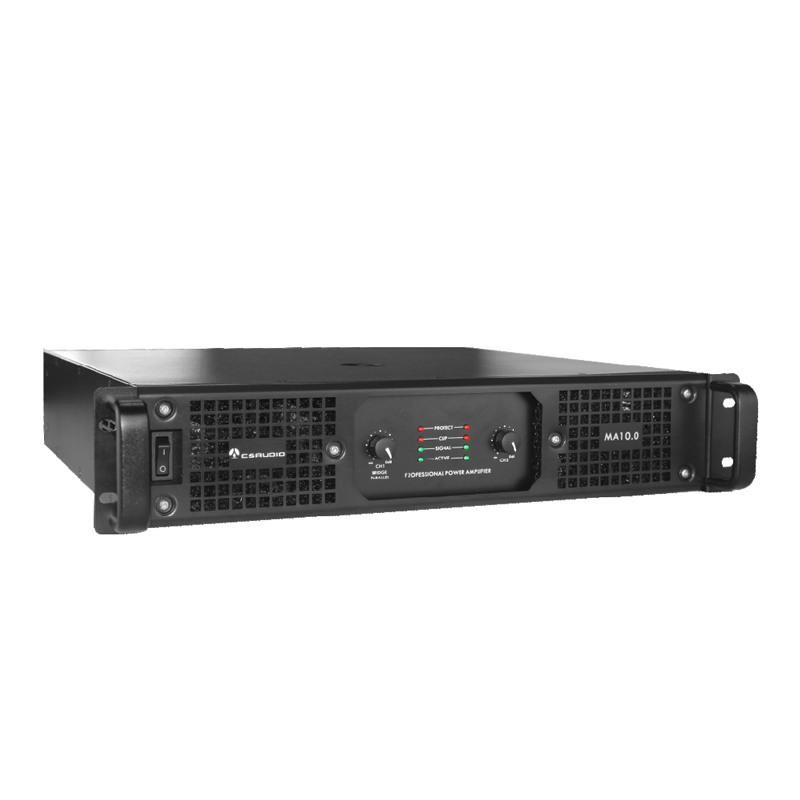
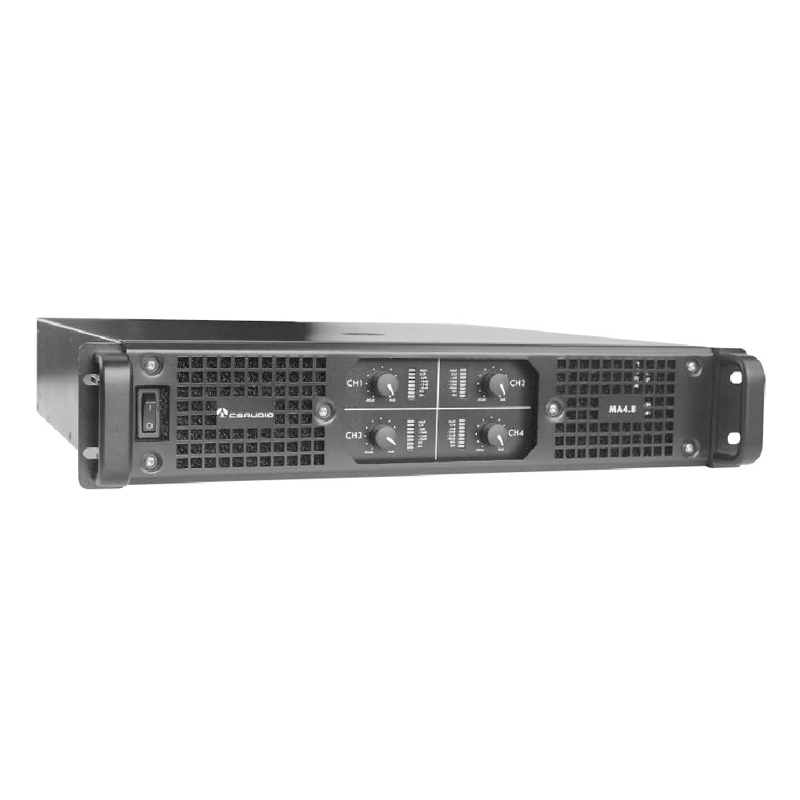
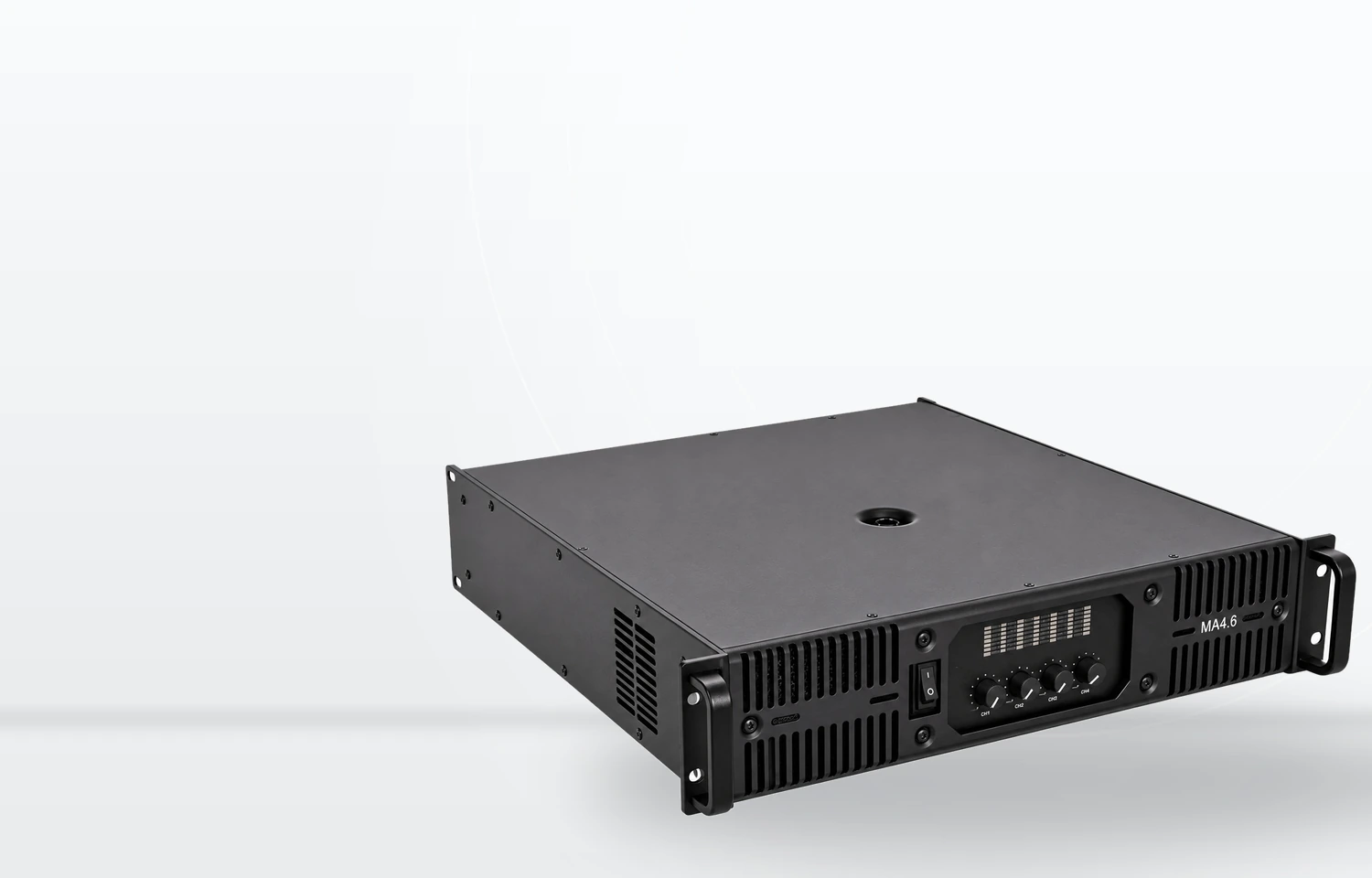
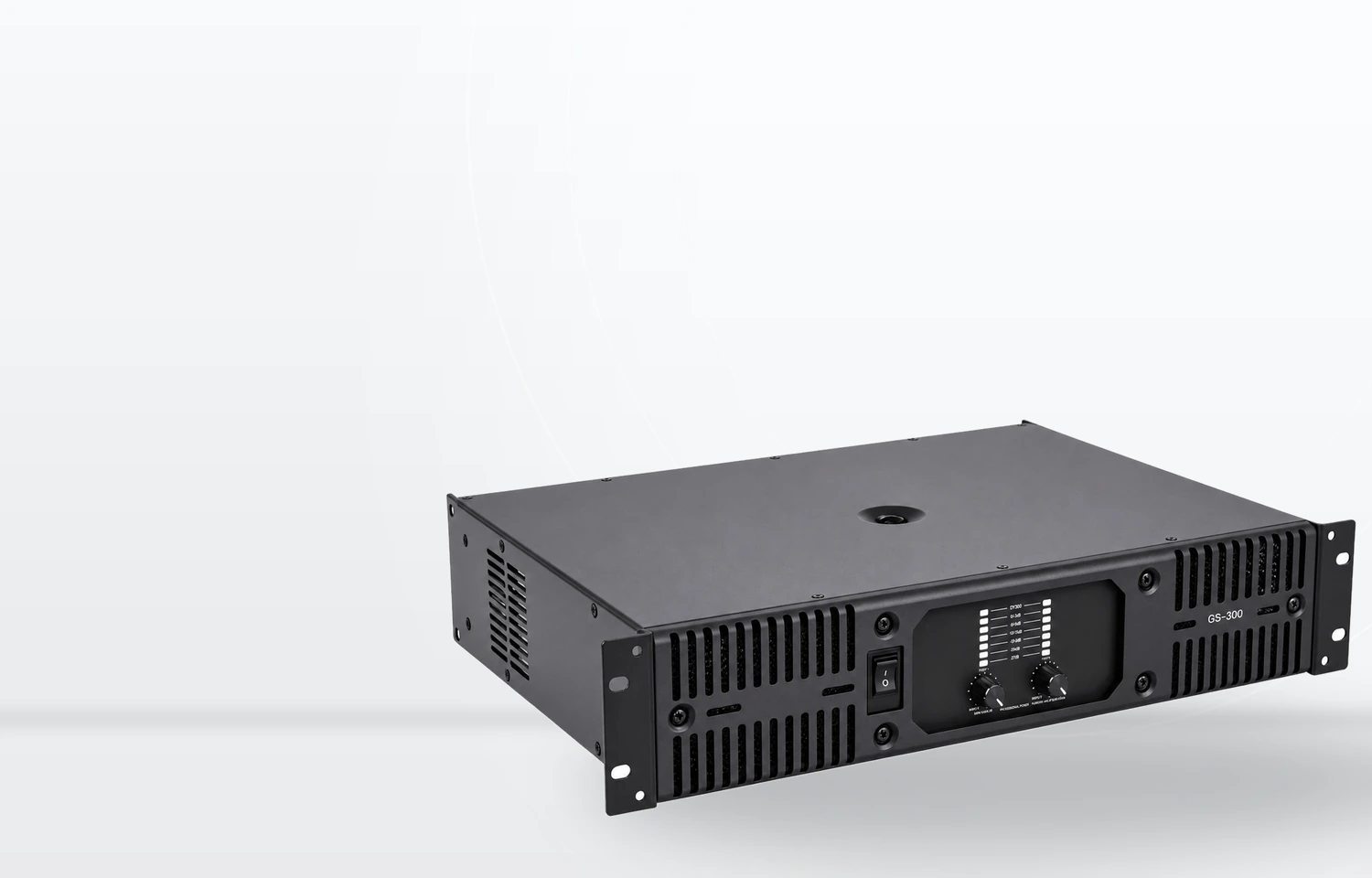
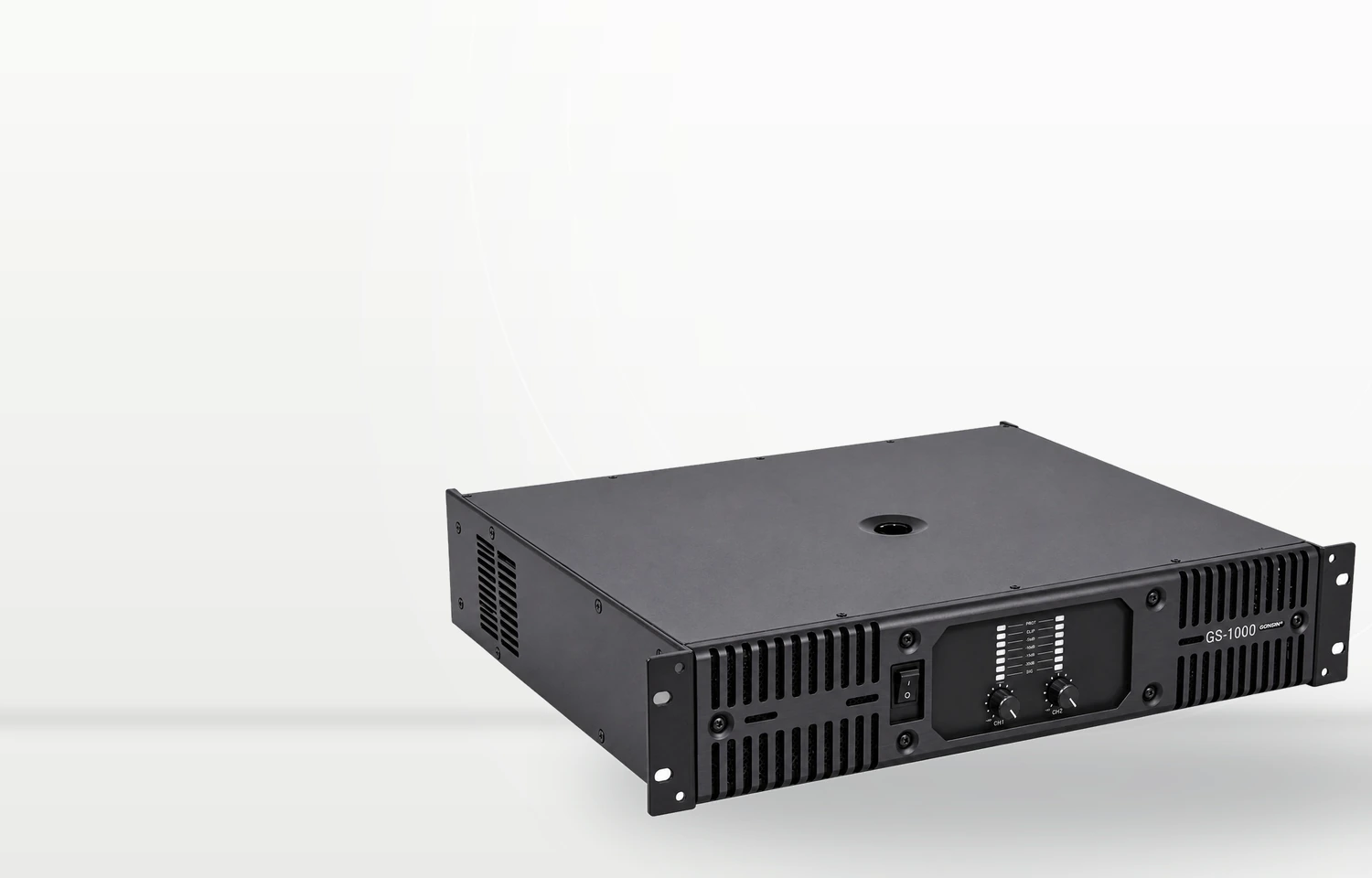
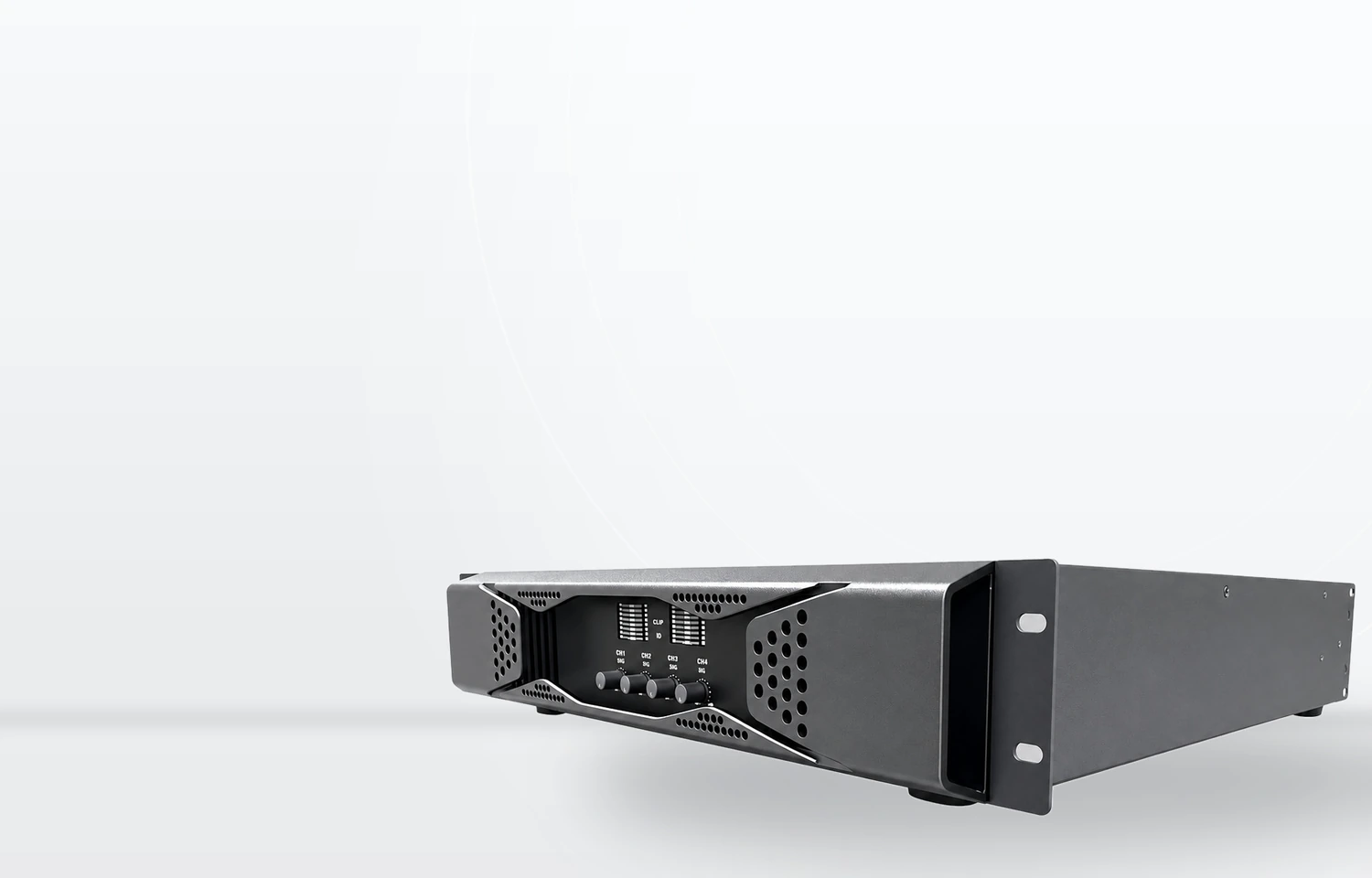
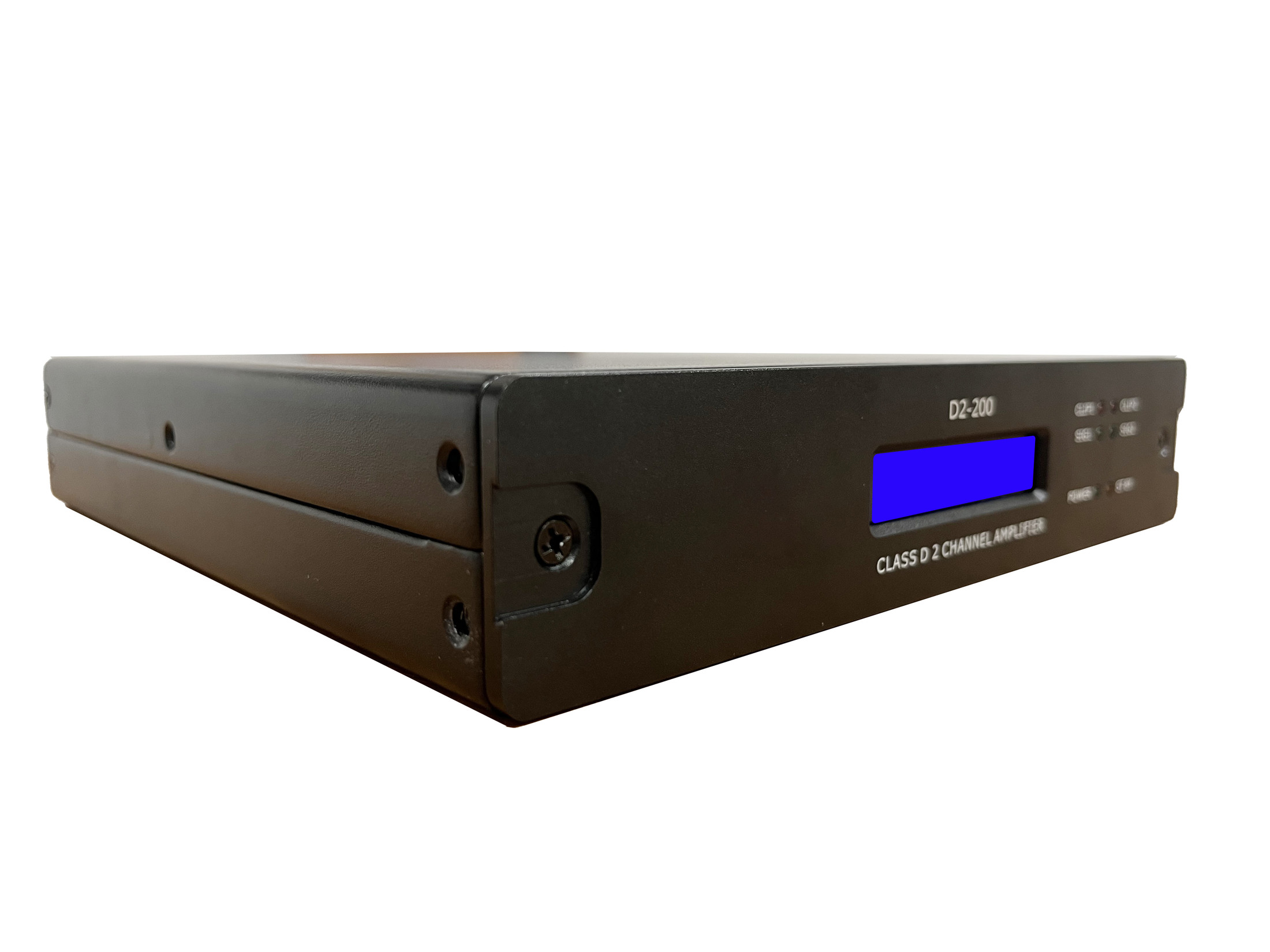
Power amplifiers drive the loudspeaker system. Depending on the installation, supporting equipment may include delay, equalization, limiting, crossover functions and a loudspeaker processor or DSP. These functions help match the system to the room and protect equipment during operation.
Source: Earlsound.com archive.