




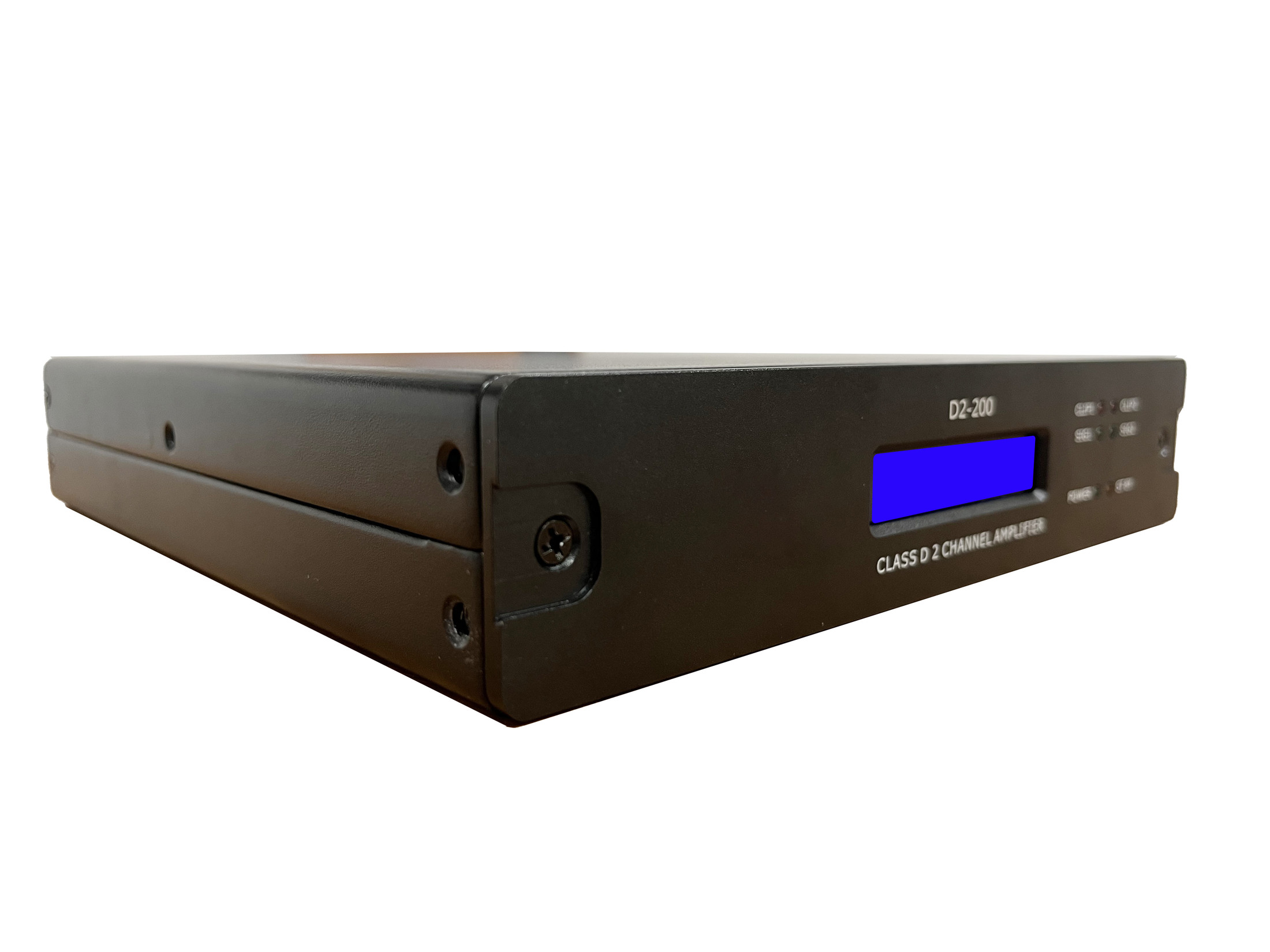
This article adapts a CS-AUDIO technical note from the Earlsound.com archive. It introduces the basic properties of sound and several common approaches to controlling noise in buildings and audio environments.
1. Sound waves
Sound travels through a medium as pressure variations. Its basic properties include frequency, wavelength, speed and sound pressure. Frequency is the number of vibrations per second; the approximate range of human hearing is 20 Hz to 20 kHz. Wavelength is the distance a wave travels during one cycle, ranging from about 17 metres at 20 Hz to about 17 millimetres at 20 kHz in air.
The speed of sound changes with air temperature. The source gives the approximation c = 331.4 + 0.6t m/s, where t is temperature in degrees Celsius; wave speed, frequency and wavelength are related by c = fλ. Sound pressure is the difference between the pressure in a sound wave and the ambient static pressure, measured in pascals. A sound spectrum shows how sound energy is distributed across frequencies.
2. Noise and its effects
Noise is unwanted sound. The source note describes possible effects of prolonged exposure, including hearing damage, sleep and concentration problems, stress responses and changes in cardiovascular activity. Noise control aims to create an appropriate acoustic environment while balancing practical, technical and economic requirements.
3. Sound insulation and barriers
Walls, panels and other solid structures can reduce airborne sound transmission. Their performance depends on the construction, mass, frequency and how well the structure is matched to the source. A sound barrier reflects, transmits and diffracts sound: some energy passes through it, some reflects from its surface, and some bends around its edges. Barrier attenuation depends on the sound paths and wavelength; shorter wavelengths generally diffract less around an edge.
4. Silencers and sound absorption
A silencer uses absorptive and facing materials in a structure that reduces airflow noise while allowing air to pass. Absorptive treatment on walls, ceilings and floors reduces reflected sound and reverberation. The source notes that suitable treatment can also improve the working environment inside an enclosure.
5. Vibration damping
Applying damping material to a panel can reduce structural vibration by dissipating vibrational energy. This is particularly useful for thin panels and resonant structures, where damping can improve sound insulation.
Source: Earlsound.com archive.